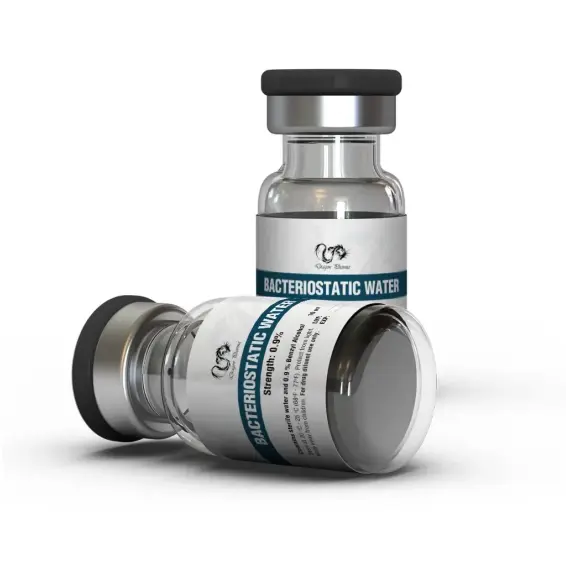
Bacteriostatic Water 0.9% by Dragon Pharma
Dragon Pharma Bacteriostatic Water is sterile water for injection containing 0.9% benzyl alcohol (BnOH) as a preservative — the standard pharmaceutical diluent for reconstituting lyophilised peptides and hormones. It is the correct and only appropriate diluent for all Dragon Pharma peptide vials, including HGH, BPC-157, TB-500, Ipamorelin, CJC-1295, Tesamorelin and all other lyophilised products in the range.
Also searched as: Bacteriostatic water 0.9%, BnOH water peptides, sterile diluent peptide reconstitution, bacteriostatic water Dragon Pharma.
Bacteriostatic Water vs Sterile Water — Why the Difference Matters
The distinction between bacteriostatic water and plain sterile water is clinically important and consistently misunderstood — a genuine information gap in competitor content:
| Property | Bacteriostatic Water (0.9% BnOH) | Plain Sterile Water for Injection |
|---|---|---|
| Preservative | 0.9% benzyl alcohol — inhibits bacterial growth | None |
| Multi-dose use | Yes — vial can be entered multiple times safely | No — single use only; contamination risk after first draw |
| Reconstituted vial shelf life | Up to 28 days refrigerated | 24 hours maximum — contamination risk increases rapidly |
| Appropriate for peptide reconstitution | Yes — the standard choice | Only acceptable for single-use immediately after reconstitution |
| Cost of error | — | Contaminated vial = wasted peptide; potential injection site infection |
The practical consequence: peptides reconstituted with plain sterile water must be used within 24 hours of reconstitution and the entire vial consumed in a single use — making it impractical for daily-dosed peptides like Ipamorelin or BPC-157 where the vial is accessed multiple times over weeks. Bacteriostatic water's 0.9% benzyl alcohol prevents bacterial proliferation between draws, making safe multi-dose use possible over up to 28 days.
What 0.9% Benzyl Alcohol Does — The Mechanism
Benzyl alcohol in bacteriostatic water is frequently described as a "preservative" without explanation of how it works — this is an important information gap:
- Benzyl alcohol is bacteriostatic, not bactericidal — it does not kill bacteria, it inhibits their reproduction by disrupting bacterial cell membrane permeability and interfering with cellular metabolism
- At 0.9% concentration, benzyl alcohol prevents bacteria that enter the vial during needle puncture from growing to contamination levels — they remain present at negligible numbers rather than proliferating
- The 0.9% concentration is a clinically established standard: sufficient to provide effective bacteriostasis while remaining within the toxicity threshold safe for repeated subcutaneous injection. Concentrations significantly above this would increase local tissue irritation; concentrations significantly below would be ineffective as a preservative
- Benzyl alcohol at 0.9% also acts as a mild local anaesthetic at the injection site — a secondary benefit that slightly reduces injection discomfort
How to Use Bacteriostatic Water for Reconstitution
| Step | Action | Why |
|---|---|---|
| 1 | Wipe both vial tops (peptide and bacteriostatic water) with an alcohol swab | Removes surface contamination before needle entry |
| 2 | Draw the required volume of bacteriostatic water into the syringe | Volume determines final concentration per unit — calculate before drawing |
| 3 | Insert needle into the peptide vial and inject the water slowly along the vial wall — not directly onto the lyophilised powder | Direct stream can damage fragile protein structure; gentle wall injection preserves peptide integrity |
| 4 | Swirl gently to dissolve — do not shake | Shaking creates air bubbles and can denature peptide proteins through mechanical stress |
| 5 | Allow to fully dissolve (1–2 minutes) before drawing | Ensures even concentration throughout the vial |
| 6 | Store reconstituted vial refrigerated at 2-8°C | Maintains peptide stability; never freeze a reconstituted vial |
Calculating Reconstitution Volume
The volume of bacteriostatic water used determines the concentration per unit drawn. For a 5mg peptide vial dosed at 200mcg per injection:
- Add 2.5ml bacteriostatic water → 200mcg per 0.1ml (10 units on a U-100 insulin syringe)
- Add 1ml bacteriostatic water → 500mcg per 0.1ml — more concentrated, smaller injection volumes
- Add 5ml bacteriostatic water → 100mcg per 0.1ml — less concentrated, easier to measure small doses
There is no single "correct" reconstitution volume — it is chosen based on desired dose per injection, syringe type, and personal preference for injection volume. The key is calculating dose per unit before drawing and remaining consistent across all draws from the same vial.
Which Dragon Pharma Peptides Require Bacteriostatic Water
All lyophilised (freeze-dried powder) peptide and hormone vials in the Dragon Pharma range require reconstitution with bacteriostatic water before use:
- Dragontropin (HGH) — 20-30 days refrigerated after reconstitution
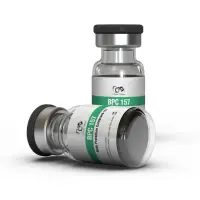
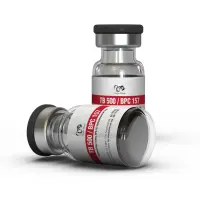
- BPC-157, TB-500, BPC-157 + TB-500 Blend — up to 28 days refrigerated
- Ipamorelin, Sermorelin, Tesamorelin, CJC-1295 DAC, CJC-1295 no DAC + Ipamorelin — up to 28 days refrigerated
- Tirzepatide, Klow Blend, all other peptide vials — up to 28 days refrigerated
"Dragon Pharma Bacteriostatic Water is manufactured to pharmaceutical injection-grade standards — the same 0.9% benzyl alcohol concentration used in clinical settings for multi-dose vial preservation, ensuring safe multi-draw reconstitution of every peptide in our range."
Storage and Handling
Store bacteriostatic water at room temperature before use. Once the vial has been entered (needle punctured), store at room temperature or refrigerated — benzyl alcohol's preservative function applies to the reconstituted peptide vial, not to the bacteriostatic water vial itself. Use within 28 days of first entry. Discard if solution appears cloudy or particulate matter is visible.